Free shipping over $999 · Firearms ship to your Nevada FFL dealerBattle BornShipping & FFL · Contact
Home / Desert hunting rifles

Desert hunting rifles

What works on Great Basin mule deer, antelope and coyote, and the rifles we have in stock for each.

Nevada hunting is open-country hunting. You glass a basin from a ridge, pick your animal apart from two miles away, then close the distance on foot. The shot at the end is usually longer than a timbered-country shot and almost always into wind. That pushes people toward flat cartridges, honest optics and rifles light enough to carry all day.

CaliberBest suited forWhy people choose it
6.5 CreedmoorMule deer, antelopeFlat, mild recoil, easy to shoot well at distance. Ammunition is everywhere now.
.270 WinchesterMule deer, antelopeThe old open-country standard. Fast, flat and proven on desert deer.
.308 WinchesterMule deer, elk at sensible rangeShorter action, heavier bullets, ammunition on every shelf. Drops faster than the fast twenty-sevens past 400.
.30-06 SpringfieldEverything from deer to elkThe all-rounder. One rifle for the whole state if you only want one.
7mm-08 / .25-06Antelope, deer, lighter riflesLess recoil for long walks and long sits, still flat enough for open ground.
.300 Win Mag / 6.5 PRCLong open country, elkMore speed and more wind resistance, at the cost of recoil and barrel life.
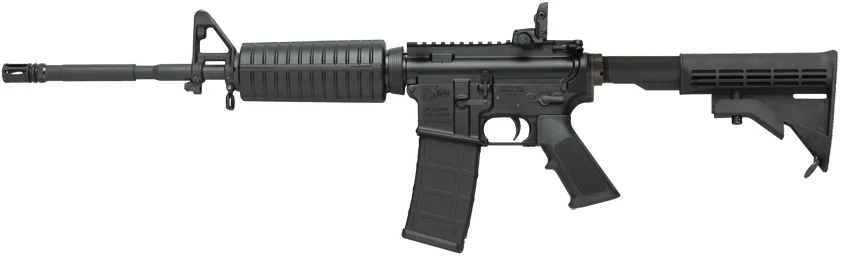
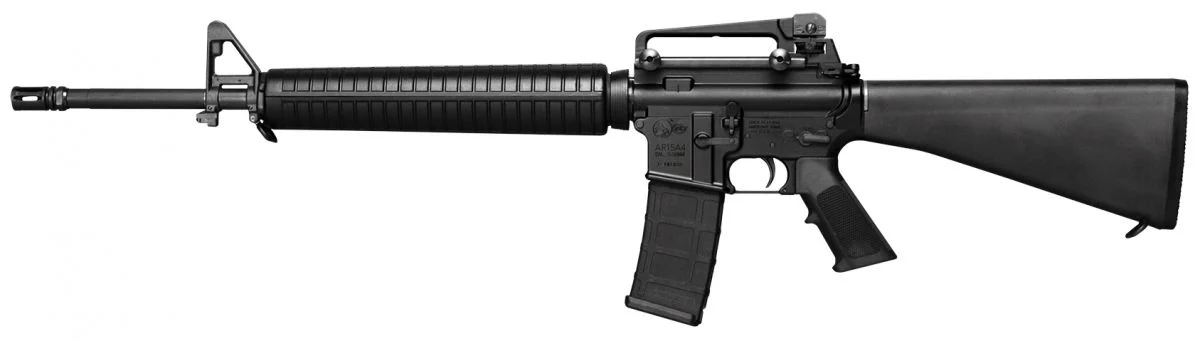
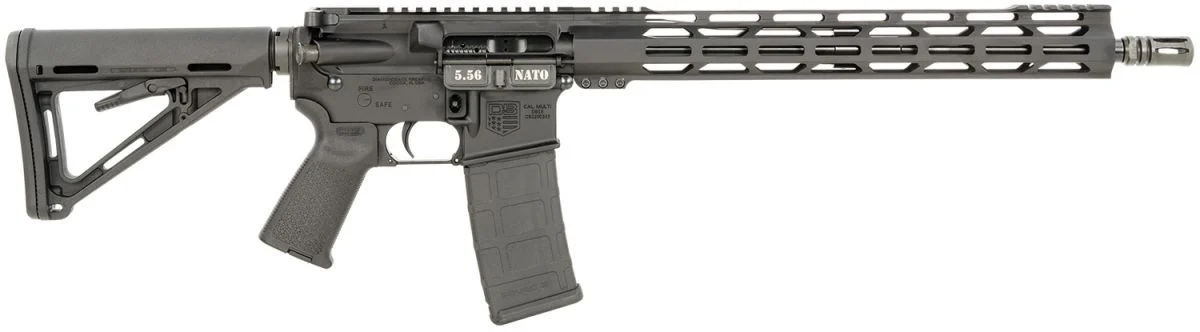
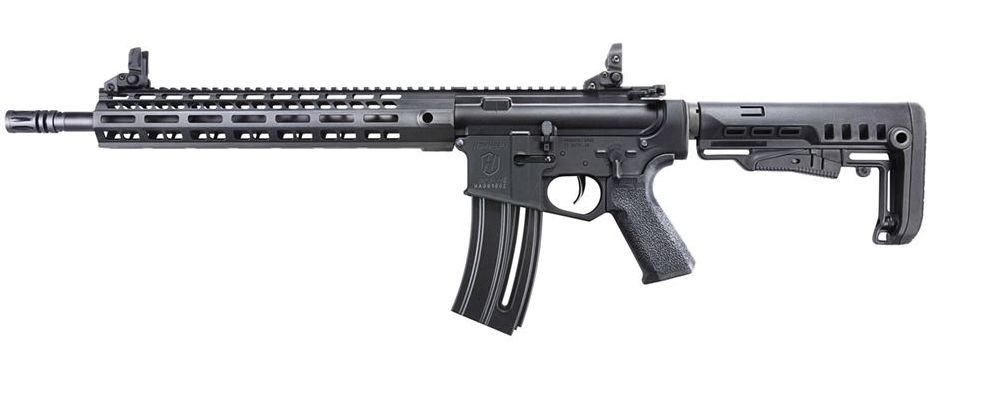
.223 Rem / 5.56Coyote, jackrabbitCheap to shoot, easy to practice with, and the most common predator round in the state.
.22-250 / .204 RugerCoyote at distanceVery fast and very flat. Built for calling coyotes across open flats.

Glass before barrels

If the budget is split, put it in optics. A binocular you can sit behind for an hour and a scope that returns to zero will find and kill more animals than an extra hundred feet per second. Aim for 3-15x or thereabouts on a hunting rifle, with turrets you can dial and a reticle you have actually practiced with. Mount it properly, torque the rings, and shoot the rifle at distance before you trust it.

Bullets

Desert deer are not hard to kill, but the shots can be long enough that a bullet arrives slow. A bonded or monolithic bullet that holds together at close range and still opens at distance is the safe middle. Whatever you choose, sight in with the exact load you will hunt with.

Coyotes and varmints

Predator calling runs most of the year and keeps rifles in use between big-game seasons. A .223 is the cheap and sensible default; a .22-250 or .204 Ruger buys reach across the flats. The same rifle handles ground squirrels in spring, which is the best practice you can get for wind reading.

Chukar

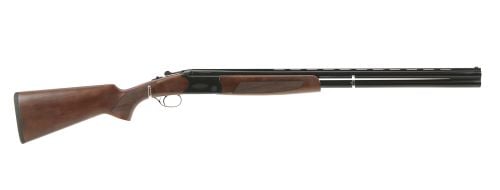
Chukar live on the steepest ground in the state and they make you earn it. A light 12 or 20 gauge beats a heavy gun every time, because the hunt is a climb with shooting attached. Carry water, take the second covey rise seriously, and expect the birds to flush downhill.

Tags and seasons

The Nevada Department of Wildlife sets seasons, legal weapons and quotas, and most big-game tags come through a draw you apply for in advance rather than buy over the counter. Bonus points build over years, unit boundaries move, and the application window is fixed. Work from the current NDOW rules at ndow.org, not from what a friend remembers about last season.

Rules change every year. Nothing here is a substitute for the current Nevada hunting regulations. Check the season, the unit and the legal weapon before you go.

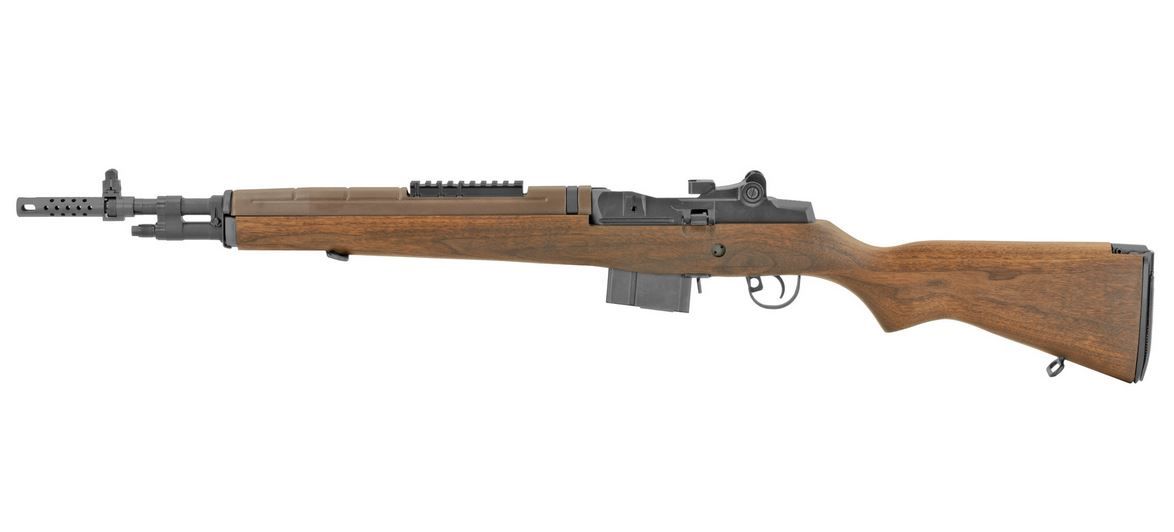
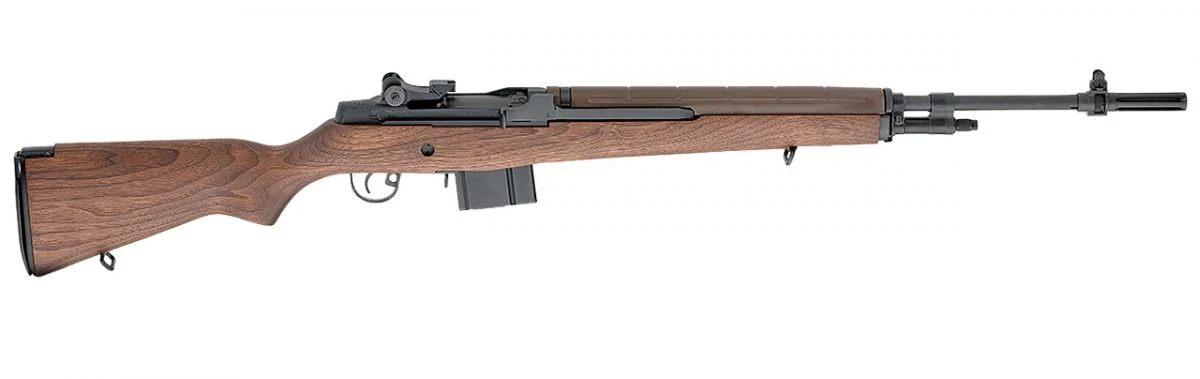
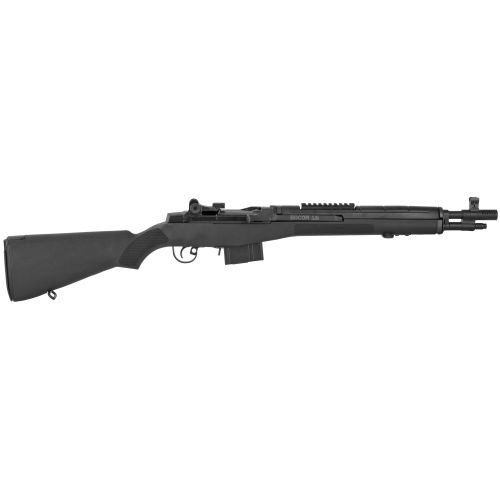
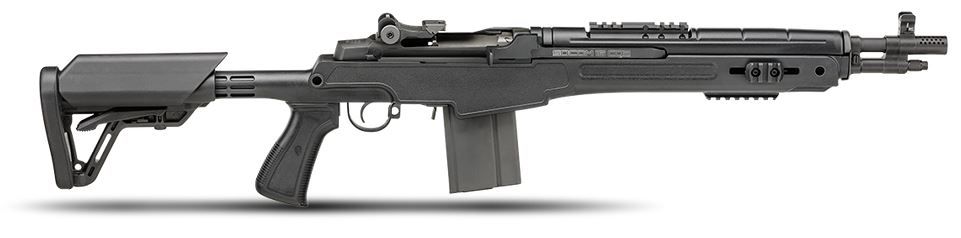
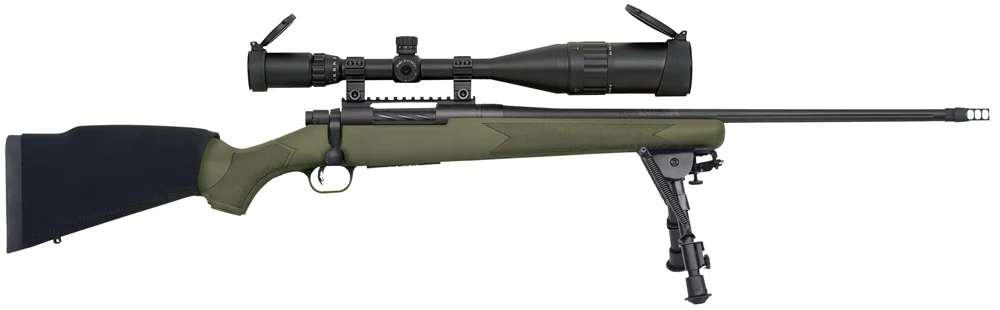
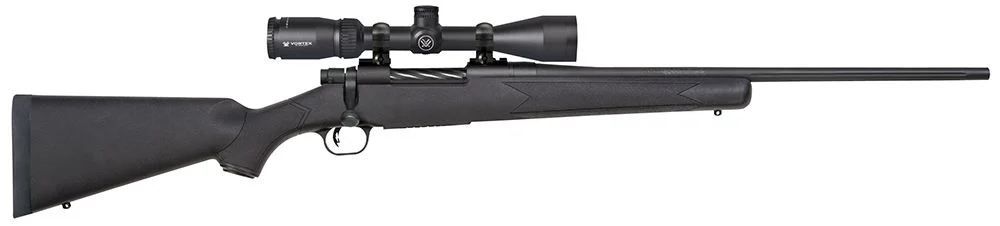
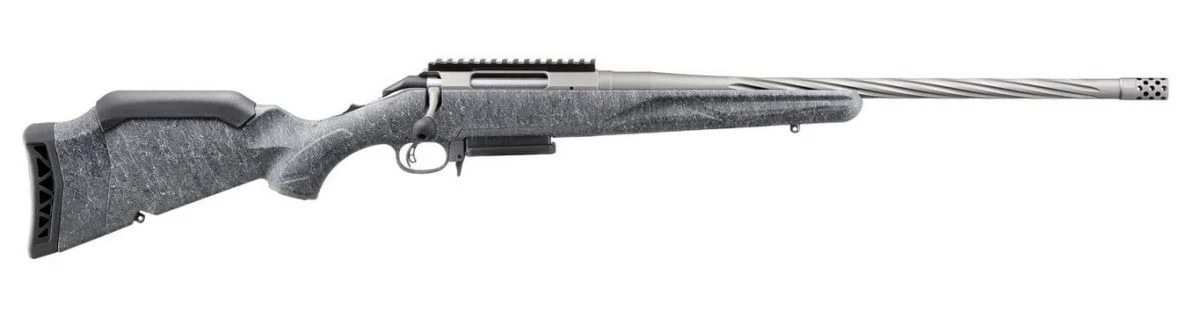
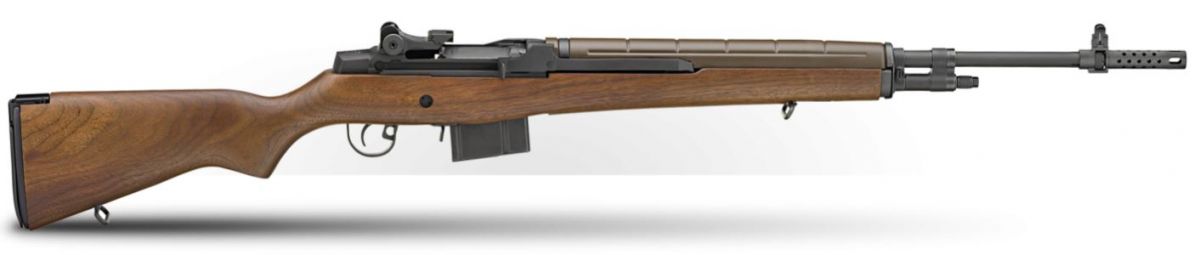
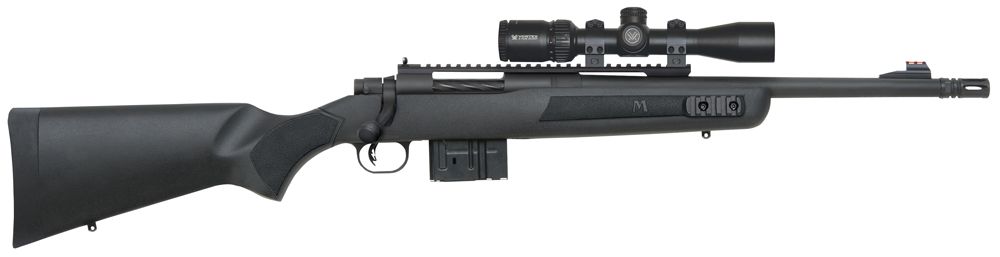
Mule deer & antelope rifles

All bolt-action rifles →

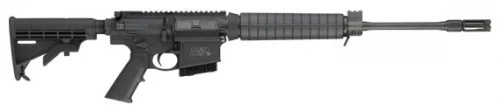
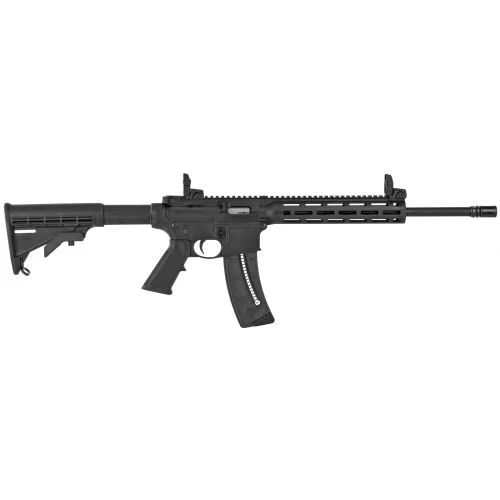
Coyote & varmint rifles

Search all →

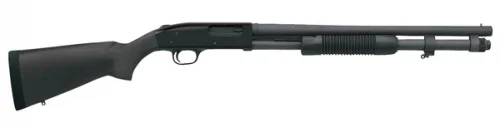
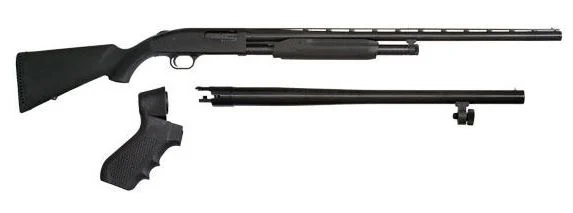
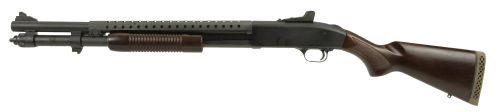
Chukar & upland shotguns

All upland shotguns →

Common questions

What is the best caliber for mule deer in Nevada?

A flat-shooting medium bore. 6.5 Creedmoor, .270 Winchester, 7mm-08, .308 and .30-06 all kill desert mule deer cleanly, and each is common enough that you can buy ammunition in a small-town hardware store. Pick the one you shoot best and load a bullet that holds together.

What caliber for antelope?

The same rifles work. Antelope are smaller and live in the most open ground in the state, so people lean toward the flattest of the group, 6.5 Creedmoor, .270 or .25-06, and toward a scope that tracks reliably. Shots tend to be longer than you expect.

What is the best coyote rifle?

A .223 or 5.56 for most calling, a .22-250 or .204 Ruger when the shots get long across open flats. A light varmint-weight barrel and a scope with enough magnification to find a coyote in sagebrush is the practical setup.

Can one rifle do deer, antelope and coyote?

Yes, with a compromise. A .243 Winchester or 6.5 Creedmoor handles deer and antelope and is still pleasant on predators, though it costs more per shot than a .223 for a day of calling.

What scope do I need for Great Basin shooting?

Something in the 3-15x or 4-16x range with repeatable turrets and a reticle you understand. Magnification is less important than glass quality in low light and knowing your own drops. Mount it solidly and confirm zero at a real distance before the season.

What is a good shotgun for chukar?

A light 12 or 20 gauge you can carry uphill all day. Chukar hunting is mostly climbing, so weight matters more than gauge. Improved cylinder or modified chokes and the ability to reload fast on a covey rise cover the rest.

How do Nevada hunting tags work?

Most big-game tags are issued through a draw run by the Nevada Department of Wildlife rather than sold over the counter. You apply in advance for the unit and species you want, and bonus points carry across years. Application periods, quotas and unit boundaries change every year, so work from the current NDOW information rather than last season.

Do I need anything special to buy a hunting rifle in Nevada?

No permit and no registration. You must be 18 or older to buy a rifle or shotgun from a dealer and not prohibited from possessing firearms. Order here and it ships to your Nevada FFL for the background check.

More Nevada guides